
Picture Yourself Here

PHOTOS BY COURTNEY JULIEN OF JULIEN PHOTOGRAPHY
Home stager Ellen Mann uses design, psychology and a buyer’s eye to transform houses into places people can imagine calling home
A well-staged home offers an invitation into a narrative. It allows a visitor to step across the threshold and see the possibility of a future life unfolding.
According to Lantzville home stager Ellen Mann, visitors to a listed house should feel welcomed from the moment they enter. A clear entry, good lighting and thoughtful presentation can immediately affect how easily a buyer moves through and understands the home.
Mann has developed a successful career centred on evoking this feeling through her work at Chrysalis Creative Home Staging. Mann founded Chrysalis Creative in Calgary in 2015 and later relocated the business to Vancouver Island. Her approach to staging draws on her background in change management, visual communication and more than a decade of experience preparing properties for sale.

Before founding Chrysalis Creative, Mann spent 30 years in the corporate world, eventually working in change and project management. She holds two certificates in change management, and her work involved understanding how people respond to change, process information and adapt to new ways of doing things.
Before becoming a professional stager, Mann was a single mother raising two boys and was careful about protecting the equity she had built in her homes. As she sold and moved up in the market, she staged her own properties to present them as well as possible. After seeing one of those homes, her realtor asked why she wasn’t staging homes for a living.
“Because I have a real job,” Mann remembers replying somewhat flippantly. But when corporate downsizing later brought that career to an end, the realtor’s question took on new significance, and Chrysalis Creative was born.
The name Chrysalis reflects Mann’s own career transformation.
“I’ve often described that period of my life—being deemed redundant after 30 years with one employer—as being reduced to a puddle of goo before the staging industry gave me my wings,” she says. The transformation became the inspiration for the name Chrysalis Creative Home Staging Inc.
To Mann, home staging is the practice of visual marketing for real estate. Through colour, lighting, furnishings and interior styling, staging highlights a property’s architectural assets and interior features while appealing to the widest group of potential buyers.

“A lot of my job is to help people elevate the perceived value of their property in the eyes of a buyer,” she says.
“Staging is entirely different from interior decorating,” Mann adds.
Staging and interior decorating draw on many of the same design principles, including scale, proportion and symmetry, Mann explains, but their objectives are different. Interior decorating brings an individual’s personality and personal taste into a space, while staging takes individual taste out of the equation so the property can appeal to a wider group of potential buyers.

“Most realtors will encourage their clients to depersonalize and declutter their home, but homeowners can take that too far,” she says. “We want to neutralize, but not neuter, the character of the property.”
“Rather than finding the perfect light fixture for the next buyer, my job is to avoid objections.” The science behind staging helps inform those choices, from scale and proportion to colour, lighting and the way people perceive and move through a space.
With more than 1,500 staged properties, Mann has earned extensive industry recognition in Canada and North America. Her honours include RESA’s 2021 Occupied Stager of the Year—Canada and the Kathy Nielsen Spirit Award for industry leadership, along with multiple Top 10 Canadian rankings in vacant, occupied and luxury staging. She has also been named among the Top 100 Most Influential People in Real Estate Staging and has served on RESA’s board of directors.
Mann has also received honours from the International Association of Home Staging Professionals for staging excellence, industry leadership and client care.
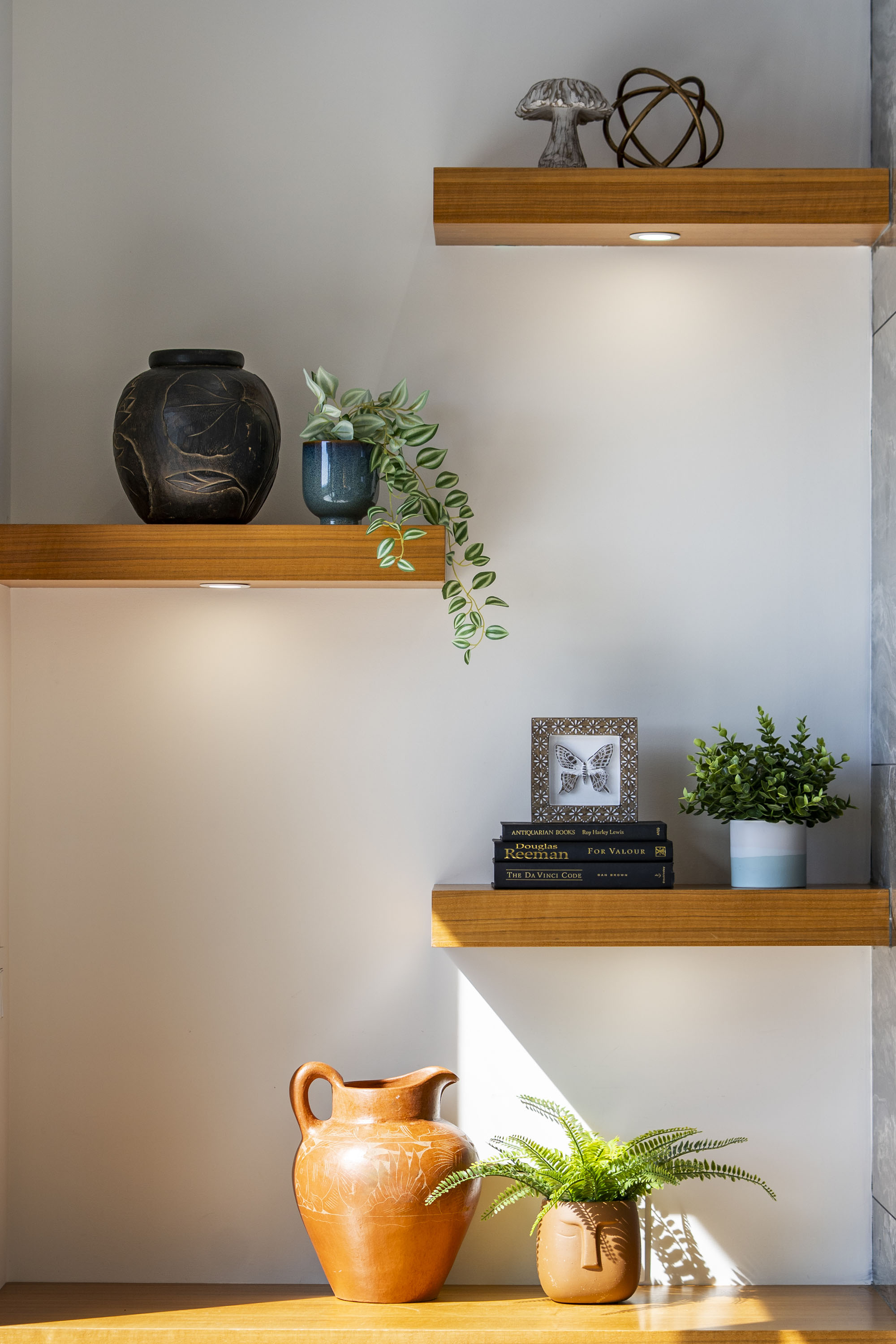
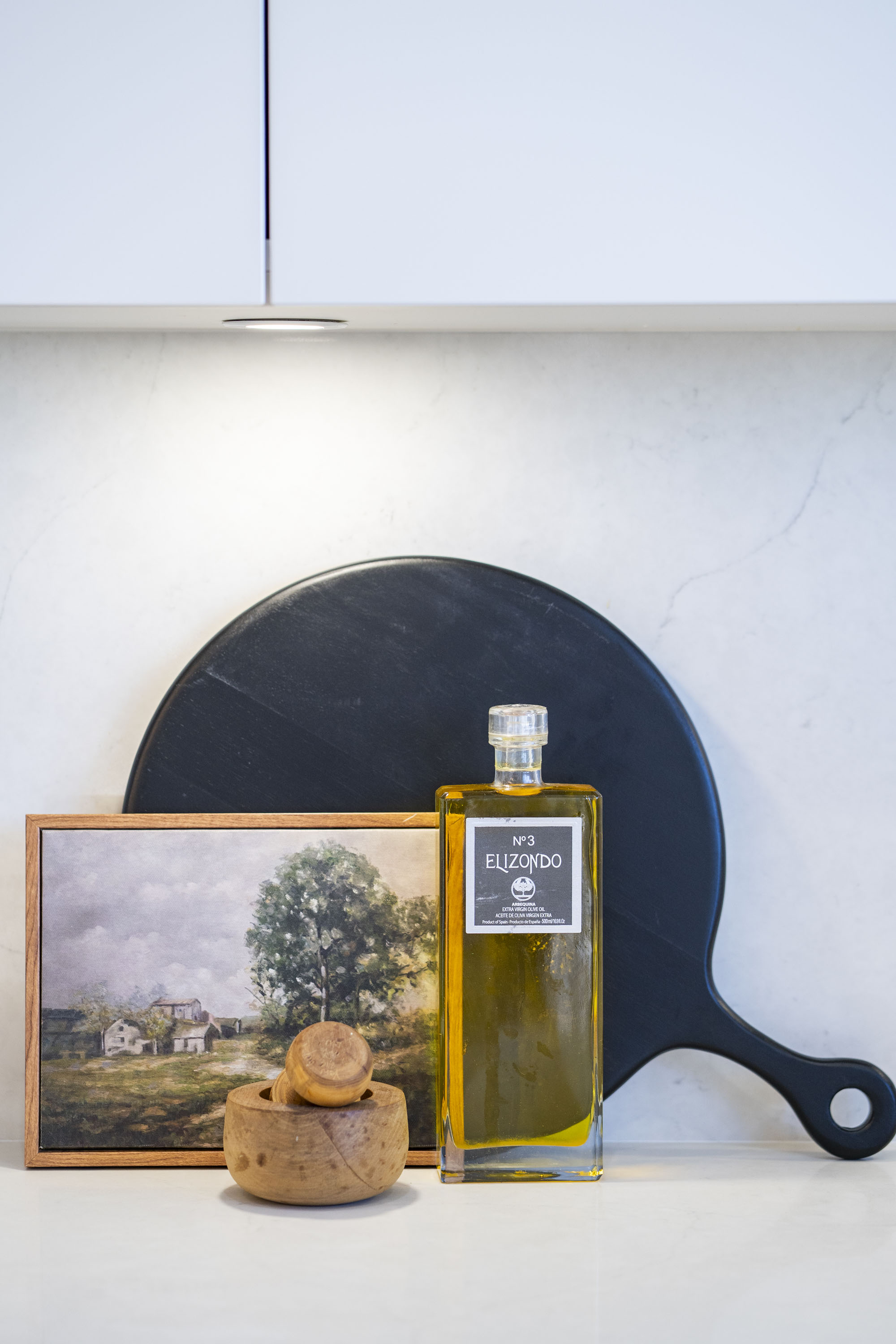
Before buyers ever analyse a floor plan or calculate square footage, they register how the home makes them feel, Mann explains. Furniture, artwork and décor may appear to be the finishing touches of a room, but the right furnishings can demonstrate scale, define the function of a space and guide the eye toward the property’s strongest features.
“We’ve got this down to a science,” says Mann.

Mann designs through the eyes of the prospective buyer. As buyers move through a property, they may accumulate negative impressions without necessarily identifying what is creating them. For instance, if an area features poorly scaled furniture, a viewer is unlikely to attribute the flaw to the furniture; instead, their subconscious may register the entire space as cramped.
Mann says visual order plays an important role in how buyers experience a space. Competing elements, poorly scaled furnishings and inadequate lighting can distract from the features of the property and make it more difficult for buyers to understand the space.
Principles such as scale, symmetry, proportion, sightlines, flow and lighting inform Mann’s work, but she doesn’t apply them as a rigid formula. Every property is different and knowing when to follow a design principle—and when there is good reason to depart from it—is part of the staging process. Understated, neutral elegance may work beautifully for one property and its likely buyer, while bright, bold colour and modern art may be exactly right for another.
The intention is to remove unnecessary distractions and objections, allowing buyers to see the property’s strengths and to begin to imagine the life they could live there.