
Threads of Inheritance
Seventy-Five Years of Hand-Knotted Rugs, from Tehran to Calgary
Long before a rug became a design decision, it was a record of the hands that made it. For more than 3,500 years, weavers across Persia and the wider Orient have tied each knot by hand, row after row, turning wool, silk, and inherited patterns into objects built to outlast their makers. No two are identical. A high-end Bijar woven in kork wool and silk, a Farahan in dense handmade wool, and an Ersari runner each carry the signature of a particular place, a particular loom, and a particular weaver.
That continuity is something the Rahim family understands personally. In 1950, Mohsen Rahim opened a wholesale and retail Persian rug business in the historic Kaffashan Bazaar of Tehran, building his reputation on integrity, quality, and expertise. The business later moved to Vienna, where Mohsen and his sons, Ramin and Mohammad, served the European market for more than three decades.
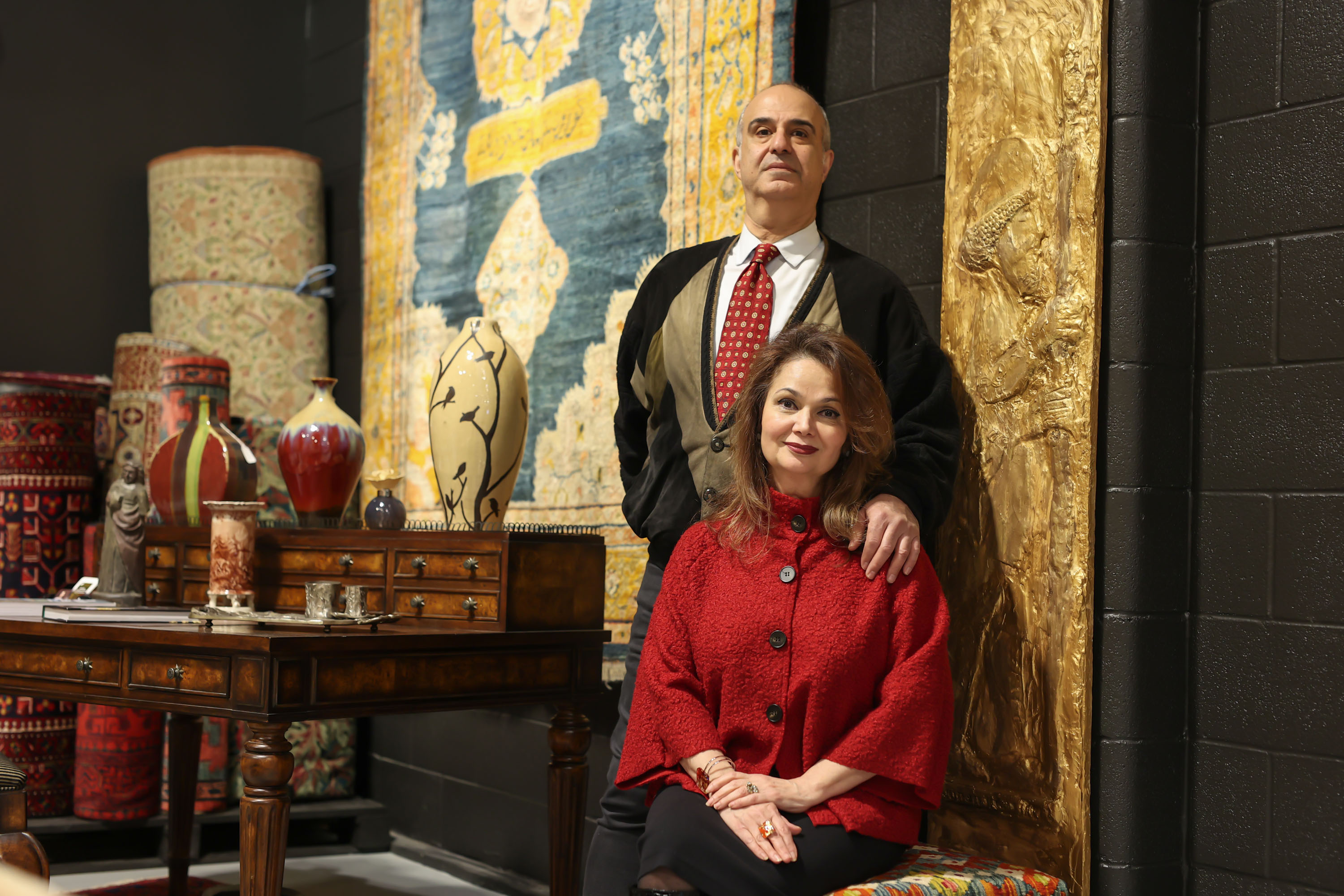
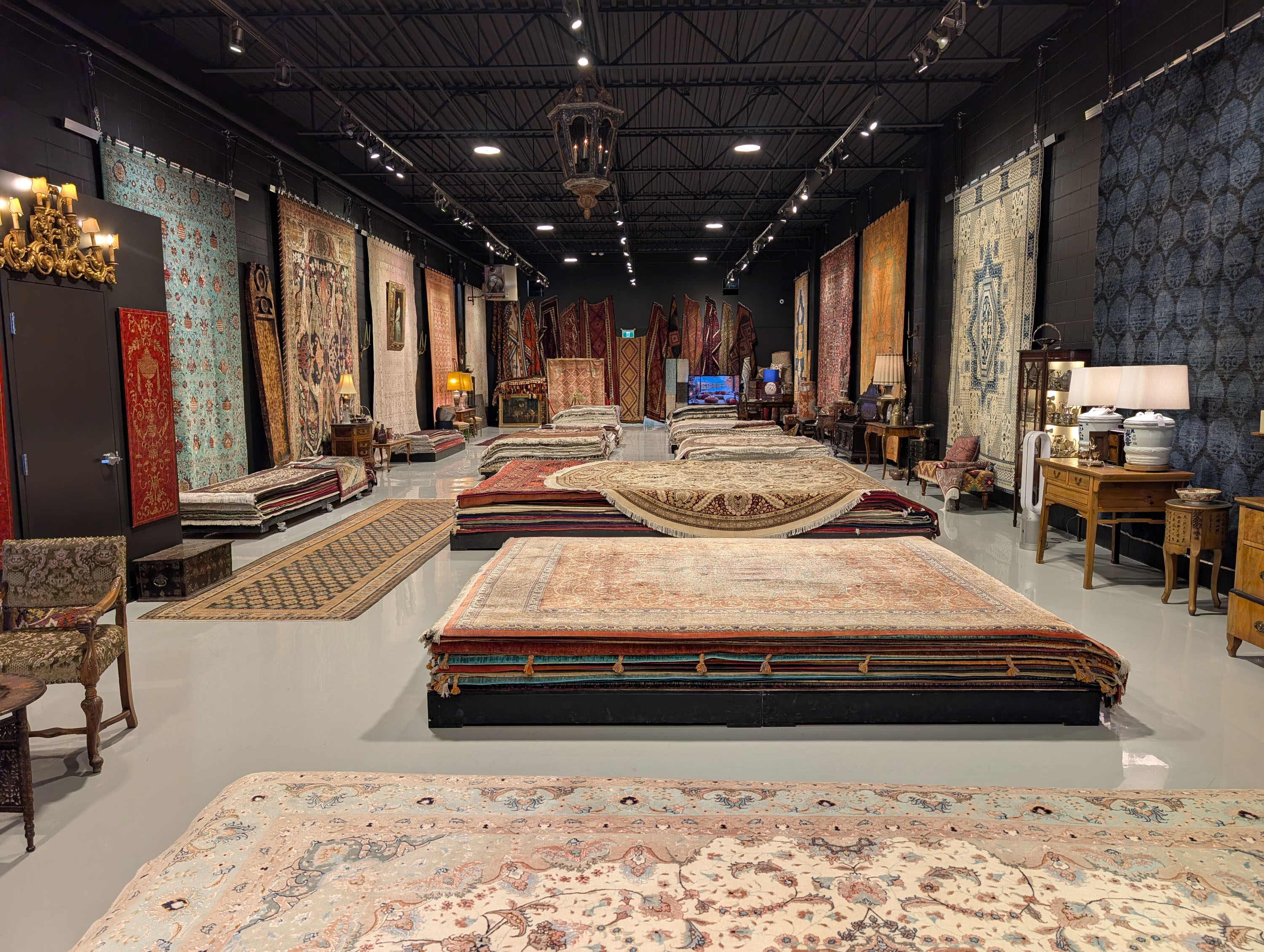
Forty years later, Mohammad and his wife, Amitiss, carried the family tradition to Canada with a showroom in Toronto. Vancouver followed in 1997, and in 2008, they established Pazyryk Art in Calgary, and today the family welcomes clients to its showroom on Centre Street South.
Three generations and three continents later, the principle has not changed. A handmade rug is not décor in the disposable sense. It is an asset.
The reasons are practical as well as emotional. Hand-knotted wool and silk, cared for properly, endure for generations, and a well-made piece can be cleaned, repaired, and restored rather than replaced. The family offers each of those services in-house, along with same-day appraisals that provide insurance certificates, often while clients wait. When a business is prepared to document a rug’s value on the spot, it is treating that rug the way a collector would.
This is also why rugs so often become heirlooms. A carpet laid in a first home may travel to a second, then to a child’s apartment, and eventually to a grandchild who has never known a room without it. Unlike most furnishings, a fine rug gathers meaning as it ages. Its colours soften, its pile settles, and its history becomes part of the family that owns it.
For buyers in Western Canada, the most compelling question is provenance. Few people will ever walk the bazaars of Tehran or visit weaving villages across Asia to choose a carpet in person. Pazyryk Art offers the closest alternative. The family shops the inventories of local artisans throughout Asia and works directly with leading producers, a relationship that allows it to certify authenticity and offer wholesale-direct pricing. The chain between loom and living room is short, and it is held by people who have done this work since 1950.
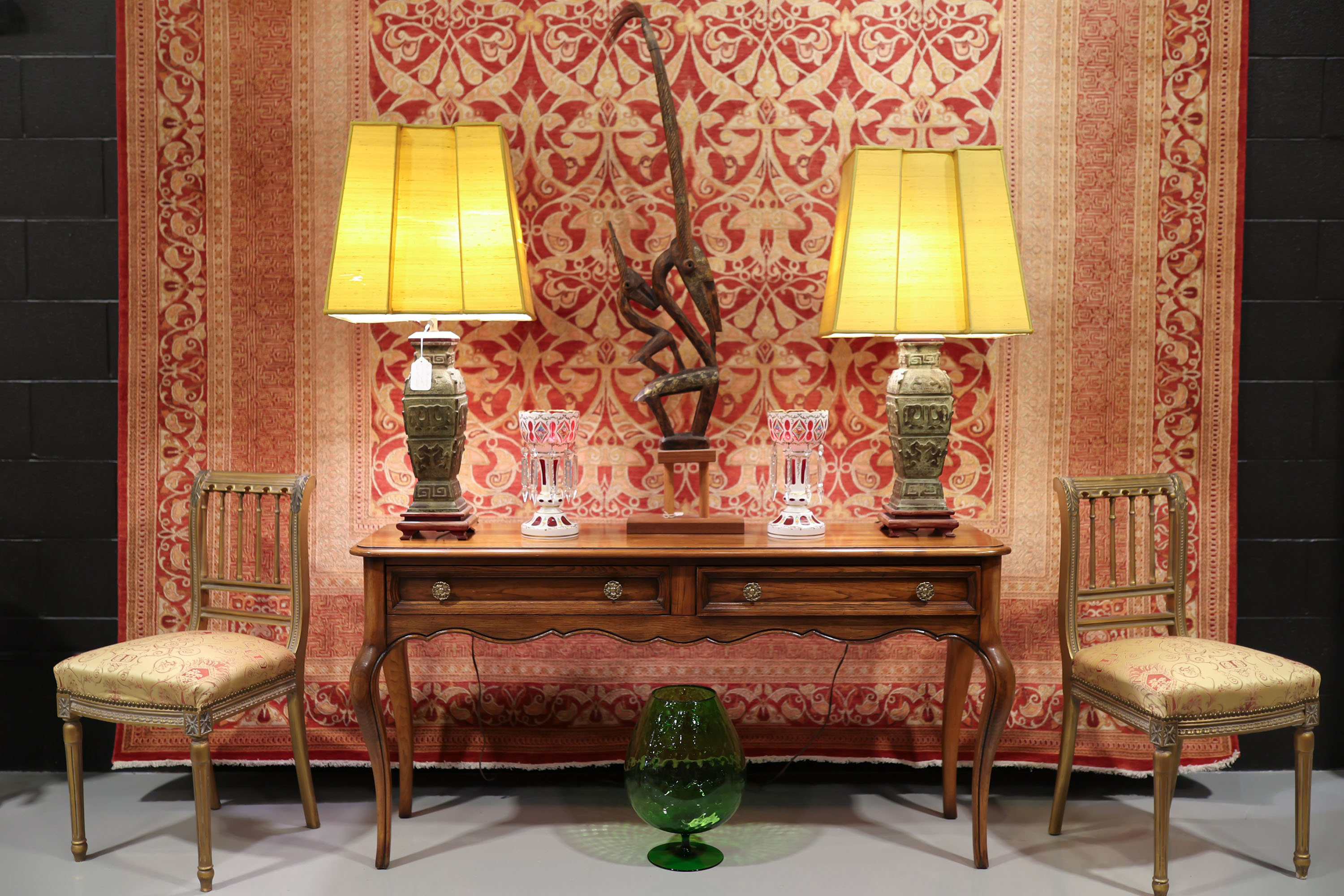
The showroom extends beyond rugs to include antiques, fine art, and distinctive decorative pieces. For those uncertain how a piece will sit within their home, a free in-home trial allows them to see it in place before committing.
It is, in every sense, a family business. And what it sells is meant to become part of yours.