
Taste the Season
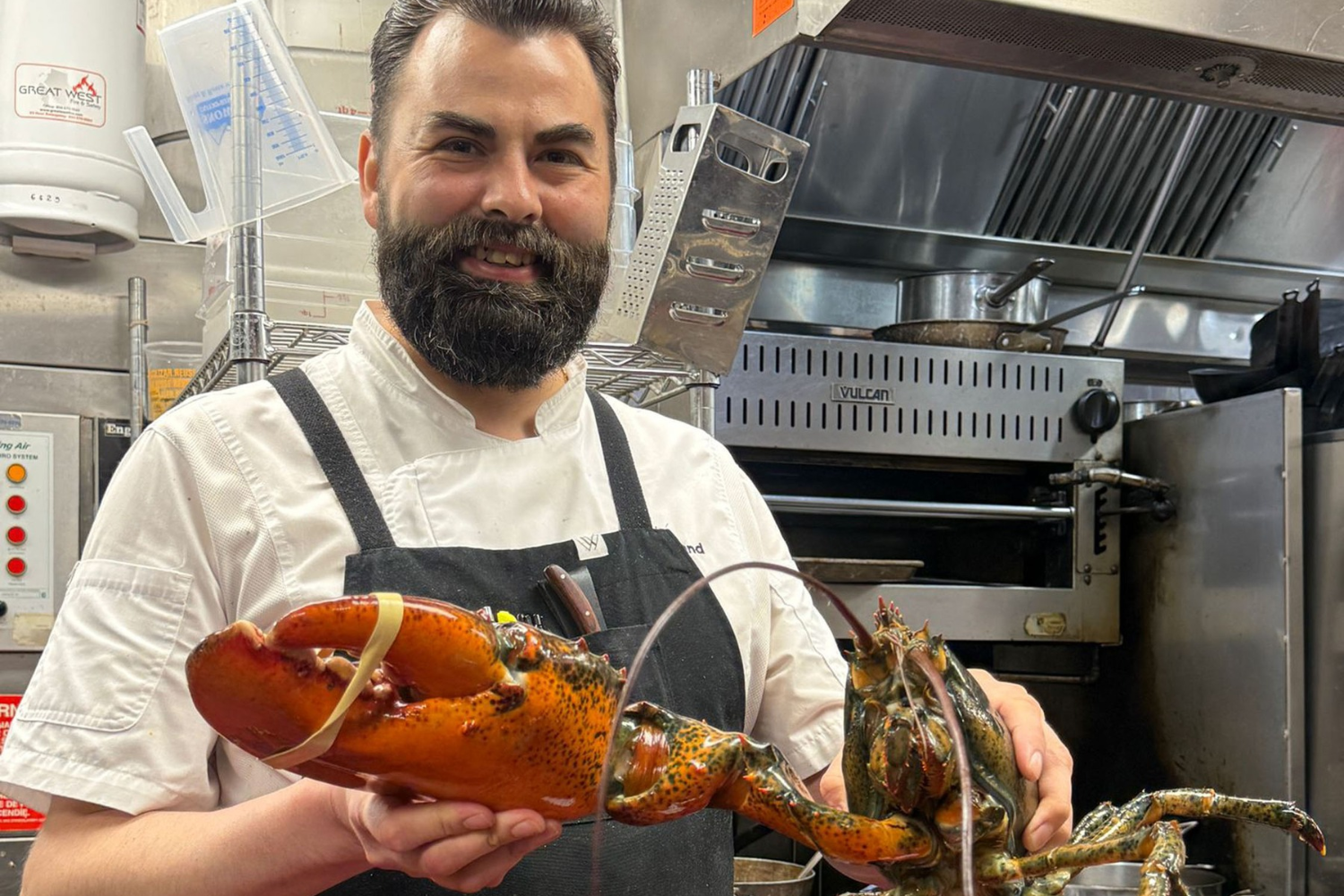
Chef Lyle Flamand brings seasonality, connection and Indigenous roots to the table.
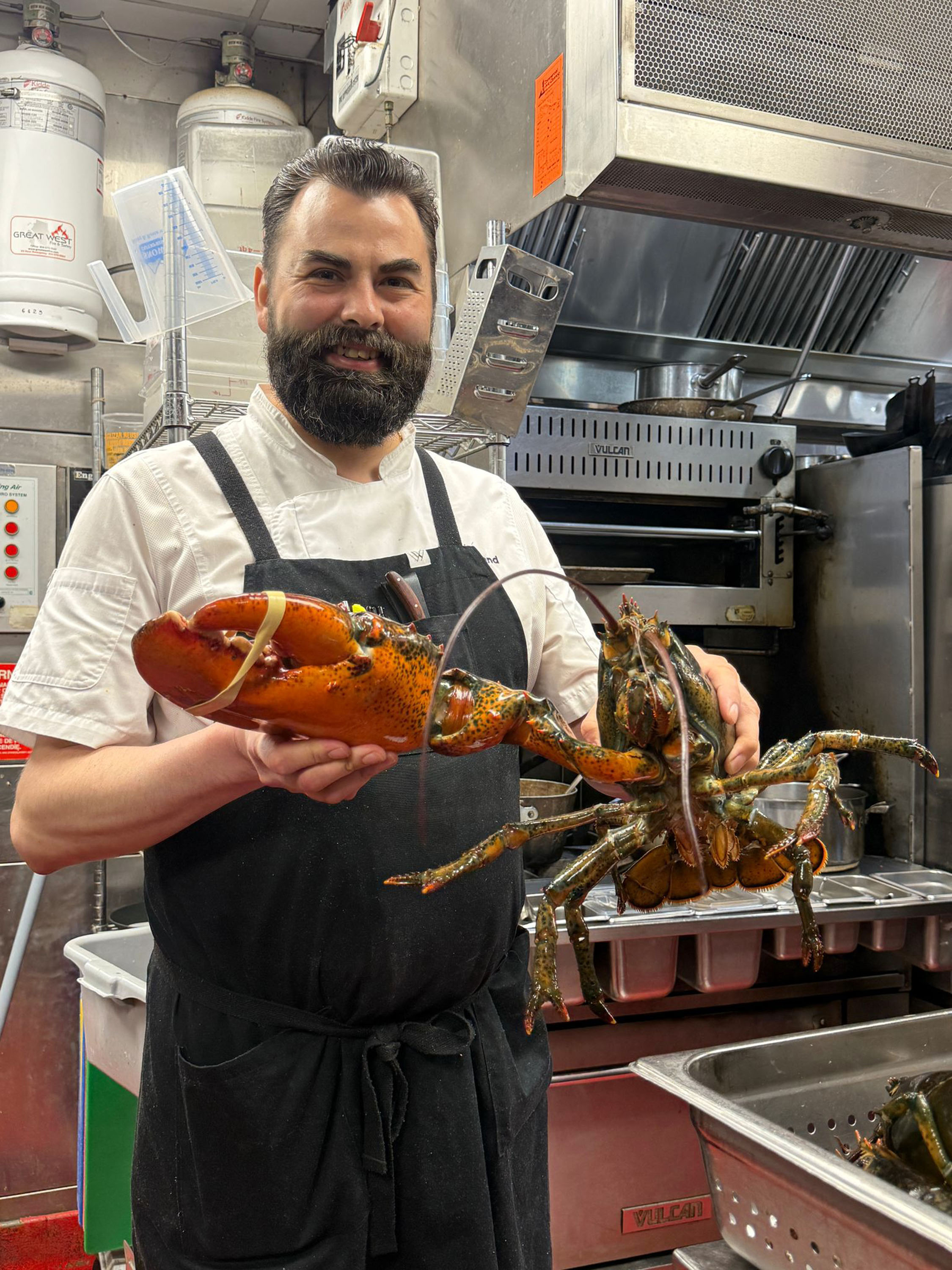
Lyle Flamand
Vancouver Island regional chef for Moments Hospitality Collective
Born and raised in Calgary, Alberta
Culinary training (formal or informal): No formal culinary training—just many hours learning alongside very talented chefs.
Years cooking professionally: 20 years
Congratulations on your new role as regional chef for Moments Hospitality Collective here on Vancouver Island— what will this role entail?
Thank you! This role leads culinary operations across multiple restaurants, ensuring top food quality, developing menus, managing costs, recruiting and training chefs and supporting new concepts, all while maintaining high standards of cleanliness, safety and guest experience. This hands-on leadership role balances creativity with operational excellence to drive team and business success.
Did you have an “aha” moment when you knew you wanted to be a chef?
Any time my family had a gathering, which was quite often, the party was always in the kitchen. Great conversation and laughter mixed with the smell of delicious food. I gravitated to this environment. I used to love helping with whatever I could just so that I wouldn’t be shooed out of the kitchen for being in the way. The happiness that the preparation and eating brought so many people really made it something that stuck with me. So, after trying a few other career paths, I ended up in a professional kitchen and never left.
How would you describe your cooking style or philosophy to someone sitting down at your table for the first time?
Cooking is fundamentally about rhythm and connection. When you sit at my table, you are tasting the calendar. My philosophy is rooted in seasonality—not as a trend—but as a practical truth. Ingredients simply taste their best when they are harvested at the peak of their natural cycle.
Beyond what is on the plate, great food needs a pulse, and that pulse comes from the people you share it with. I believe that cooking with intention and heart transforms a simple dish into an experience. That is why I love family-style service, passing platters around the table, breaking bread together and turning a meal into a gathering where everyone is truly present with one another.
What five ingredients are always in your kitchen—at work or at home?
Garlic, soy sauce, sesame oil, smoked paprika, mayo.
Is there a dish that best represents who you are as a chef right now? Why?
Instead of defining my cooking by a single signature dish, I believe a chef’s identity should be fluid and rooted in versatility. True culinary skill lies in the ability to move across a vast array of cuisines and techniques, letting the calendar dictate the menu.
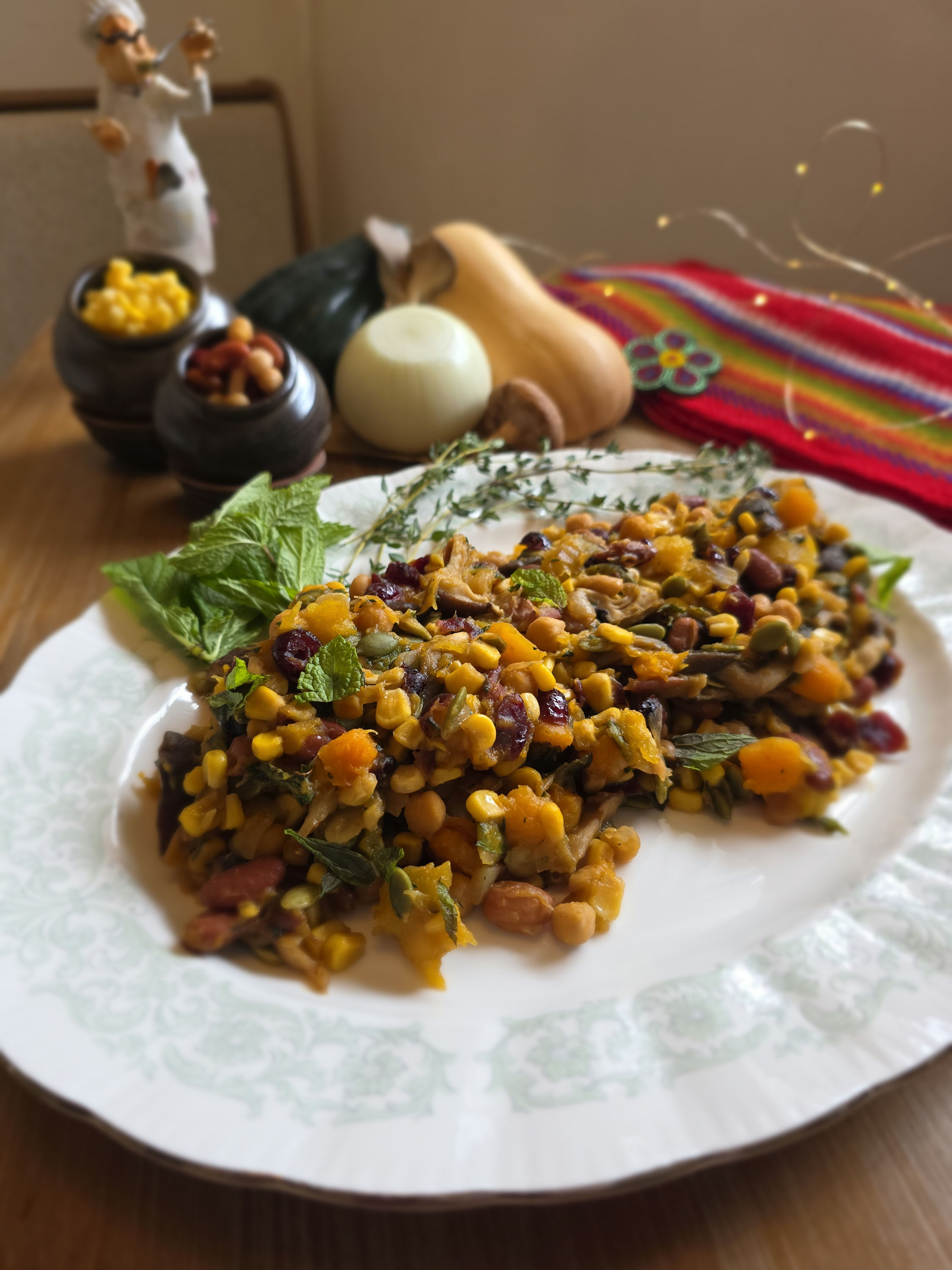
The fall succotash featured in this article is a great example of that philosophy in action. It is adaptable enough to serve as a companion to a rich, braised meat or to stand entirely on its own as a hearty centerpiece. For me, staying flexible, honouring the season and keeping that creative spark alive is where the true joy of cooking lives.
What’s your go-to meal when you’re cooking just for yourself?
I love a beautiful cheesy grilled cheese sandwich with some tomato soup. There is something warm and comforting about that meal for me. I also like a small dish of ketchup and sriracha mixed for dipping.
What is a good simple piece of advice for pairing wine and food?
Taste the wine, then decide on your menu. Food and wine have such an amazing hand-in-hand relationship that if you are unaware of the flavour notes of the wine, it can be difficult to create a dish that will complement and be complemented by the wine.
What’s one small detail home cooks often overlook that makes a big difference?
The biggest detail often overlooked is the intentional layering of flavours. There is a reason ingredients go into the pan in a specific order, and respecting that sequence builds a complex profile where every element complements the next. To master this, always follow a new recipe and measure correctly the first time, so you learn what the dish is truly meant to taste like. Once you understand that baseline, you can start confidently playing with salt and spices to make it your own the next time.
What does a perfect day off look like for you—food included?
A perfect day off for me usually starts after a little sleep-in, with a hot cup of coffee and a walk with my dog. Following that, a workout at the gym, a light breakfast of eggs, bacon, local bread and fresh fruit. I’ll clean up my house and get any chores done to be ready for the week ahead, then go out with my family and enjoy some time out in nature either on a hike or at a lake. Being outdoors helps me reset for the week ahead.
Made for Sharing: Fall Succotash
By Chef Lyle Flamand
My heritage is a deep source of inspiration in the kitchen, connecting me to traditions that have honoured this land for generations. On my father’s side, my Métis roots trace back to the historic Red River settlement, while my mother’s side is Mi’kmaq, and I am proud to be a citizen of the Métis Nation British Columbia.
The recipe I am sharing today is my personal take on a traditional Indigenous seasonal dish. While beans and corn are the enduring staples of any true succotash, the rest of the ingredients naturally shift and change with the seasons. It makes a versatile addition to a wide variety of proteins, though on a cool fall evening, I love pairing it with a rich braised lamb shank and a vibrant hit of fresh chimichurri.
Ingredients
2 tbsp rendered duck fat or sunflower oil
1 medium leek or sweet yellow onion, diced
2 cups peeled and cubed sweet pumpkin or
butternut squash (about a 1/2-inch cubes)
2 cups fresh corn kernels
2 cups shelled heirloom beans, either fresh or dried (if dried, soaked and cooked), such as white flint or Anasazi beans
1 cup fresh chanterelle mushrooms, cleaned and torn into pieces
1/2 cup vegetable broth
1/3 cup dried cranberries or fresh tart autumn berries (such as highbush cranberries or huckleberries)
1/4 cup toasted pumpkin seeds (pepitas), roughly chopped
2 tbsp pure maple syrup
2 tbsp fresh thyme leaves or chopped wild mint
Salt and freshly ground black pepper, to taste
Directions
Cook the aromatics. Heat the duck fat or sunflower oil in a large, deep skillet or Dutch oven over medium heat. Add the leek or onion and cook for 4 to 5 minutes, stirring occasionally, until softened.
Add the firm vegetables. Stir in the pumpkin or squash and corn. Cook for 5 minutes, stirring occasionally.
Add the beans and mushrooms. Stir in the cooked beans and chanterelles. Pour in the vegetable broth and bring to a gentle simmer.
Simmer until tender. Cover, reduce the heat to medium-low, and cook for 12 to 15 minutes, stirring once or twice, until the squash is fork-tender. If the mixture begins to stick, add a small splash of water or broth.
Finish the dish. Stir in the cranberries or tart berries, maple syrup and thyme or mint. Cook uncovered for 2 to 3 minutes, until the fruit is warmed through and the liquid lightly coats the vegetables.
Season and serve. Taste and add salt and black pepper as needed. Sprinkle with the toasted pumpkin seeds and serve warm.